Your cart is empty
Tax included and shipping calculated at checkout
Drawer menu
Tax included and shipping calculated at checkout

Last Updated: November 19, 2026
Quick Summary
The best fragrance free botanical face moisturizer is one built on plant extracts and carrier oils with no added scent, including essential oils. Our three picks are Hydrate for dry and sensitive skin, Balance for oily and combination skin, and Radiance for dull, uneven-looking tone. All three are $49.50 for 50ml and fragrance-free.
A botanical face moisturiser is a moisturiser built around plant-derived ingredients, and it is only truly fragrance-free when the formula contains no added scent at all, including essential oils.
At Bloom Organics, we formulate with no added fragrance or essential oils, because "natural" does not automatically mean "gentle." Essential oils such as lavender, citrus and peppermint smell lovely, but they are not tolerated by every sensitive skin type.
Below, we break down the label language, three fragrance-free botanical moisturisers worth your money, and how to patch test before you commit.
Fragrance-free means no fragrance has been added, while unscented usually means a masking fragrance was added to neutralise the smell of the raw ingredients. That is the whole difference, and it is the one most shoppers miss.
If your skin is reactive, choose fragrance-free every time. Guidance from Pure Light Botanical Beauty's sensitive skin guide recommends exactly this, because "unscented" products can hide masking agents that trigger redness and stinging. Read the back of the pack, not the front.
All three of our picks are $49.50 for 50ml and are fragrance-free. Here is how they differ:
| Moisturiser | Best For | Hero Ingredients | Key Benefit |
|---|---|---|---|
| Hydrate | Dry, tight-feeling, sensitive skin | Hyaluronic acid, ceramides, oat oil, squalane | Barrier support and cushioning moisture |
| Balance | Oily and combination skin | Niacinamide, white willow bark, green tea, jojoba | Light hydration with a fresh finish |
| Radiance | Dull, uneven-looking tone | Niacinamide, alpha arbutin, snow mushroom, Kakadu plum | Brightening care plus hydration |
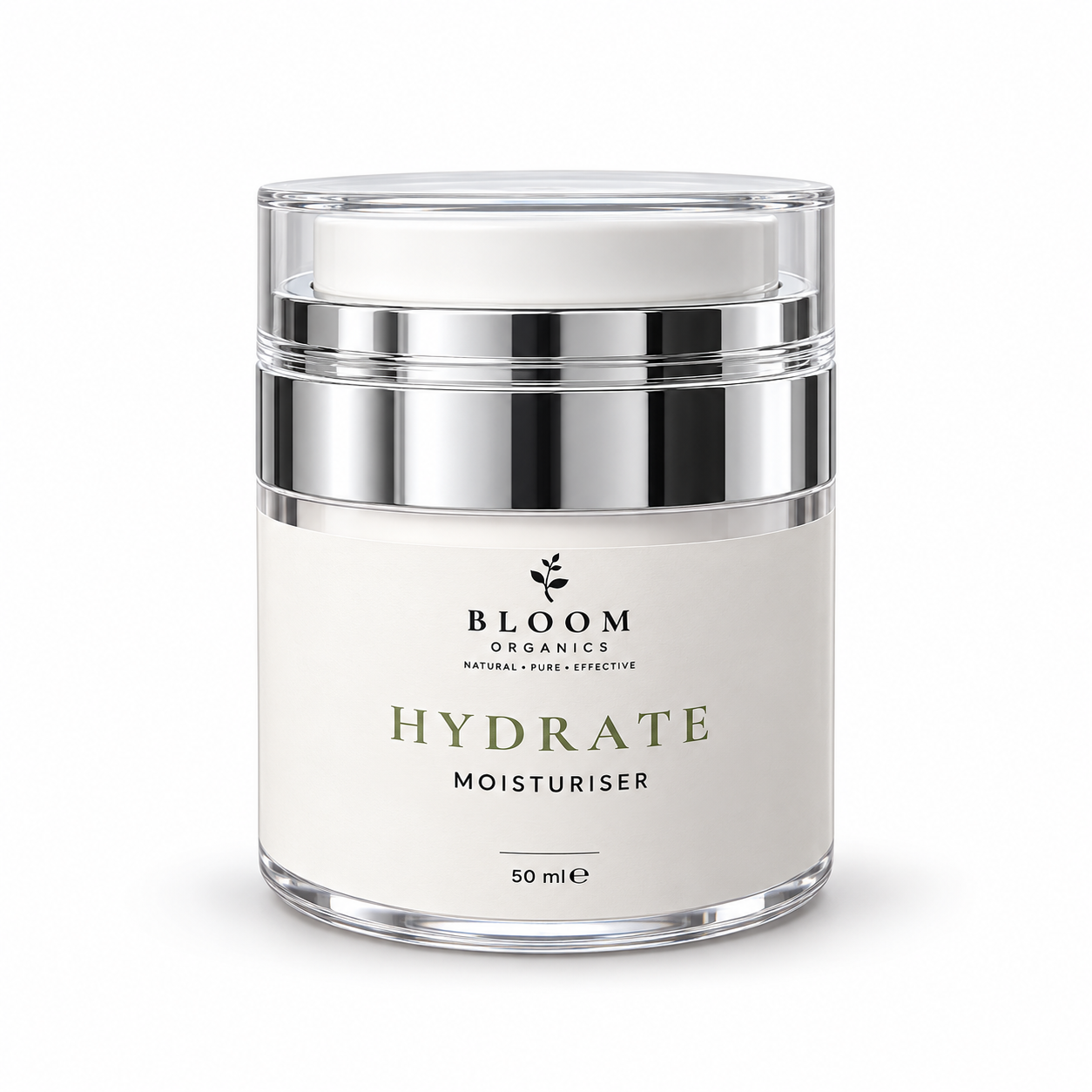
Hydrate is our pick for anyone whose skin feels tight again an hour after moisturising. It pairs water-binding hyaluronic acid and panthenol with a Ceramide Complex for barrier support, then softens with oat oil, jojoba and squalane. No added fragrance, no essential oils.
Best for: dry, tight-feeling or sensitive skin that needs barrier support. Skip if: your skin is oily through the day and you want the lightest possible finish.
You can view the Hydrate moisturiser to check the full ingredient list before you buy.
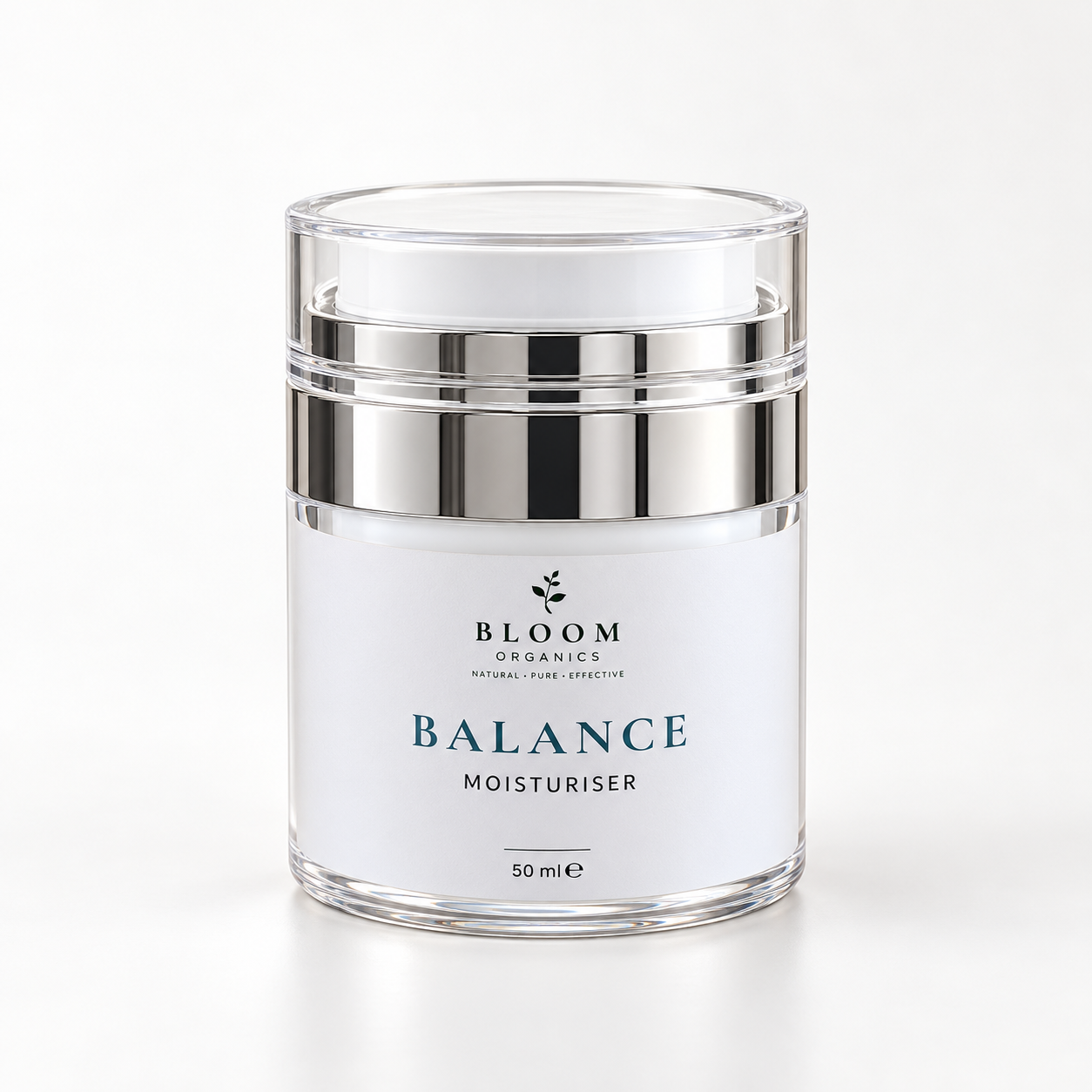
Balance splits the difference with light daily moisture and no essential oils.
Niacinamide is paired with white willow bark and green tea in the targeted botanical blend, while hyaluronic acid, betaine and a Ceramide Complex handle hydration. Squalane and jojoba give a supple finish without heaviness.
Best for: oily and combination skin. Skip if: your skin is genuinely dry and needs occlusive cushioning.
See the full formula on the Balance moisturiser page.
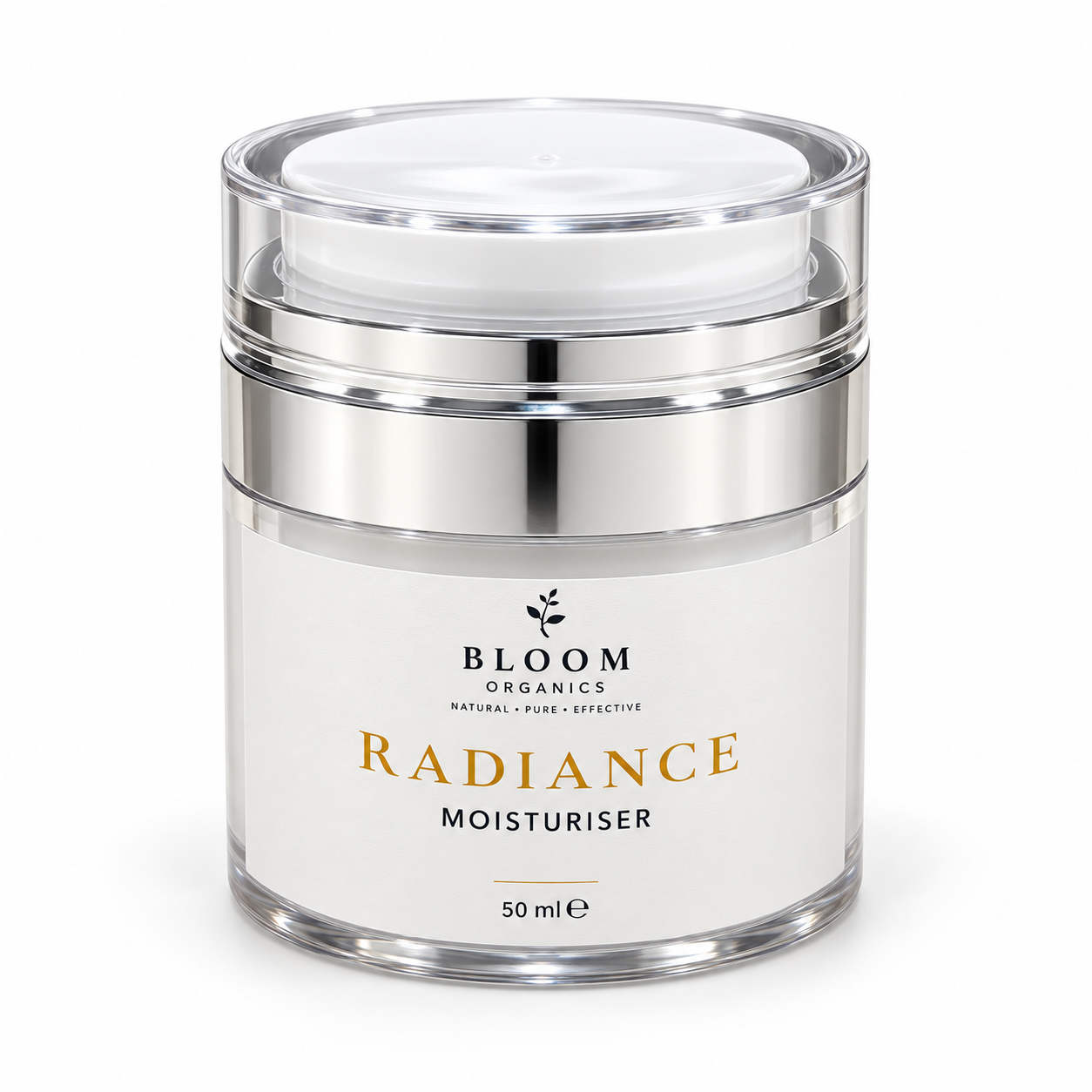
Niacinamide and alpha arbutin target uneven-looking tone, with liquorice and Kakadu plum completing the botanical blend. Snow mushroom and panthenol bring the hydration, and squalane and jojoba soften the finish.
Fragrance-free throughout.
Best for: dull-looking or uneven-looking tone that still needs daily moisture. Skip if: brightening is not your concern and you only want barrier repair.
Check the ingredients on the Radiance moisturiser page.
Patch testing means applying a small amount of product to a discreet area and waiting before using it on your face. Botanical formulas can contain plant extracts and oils that some skin reacts to, so testing first is sensible.
That explains why a product that stings on a bad barrier week often feels fine once the barrier recovers, and why patch testing on compromised skin tells you something different from testing on healthy skin. If your barrier is currently reactive, test on the inner forearm first, not the face.
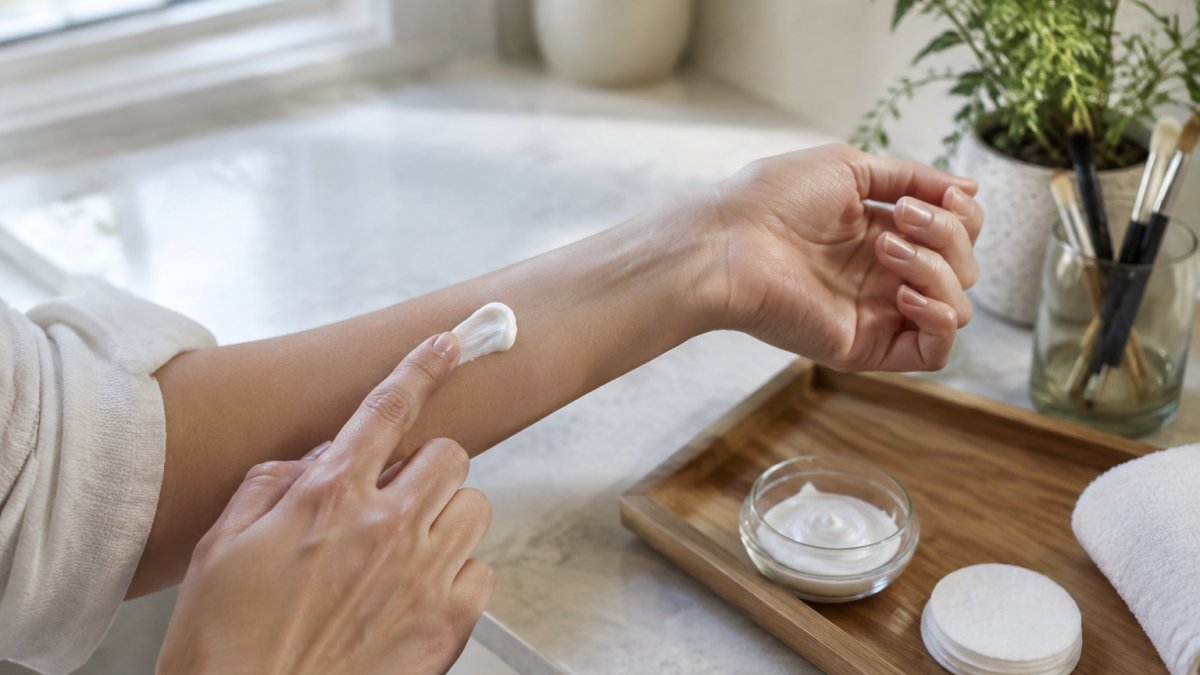
Watch out: testing three new products in the same week tells you nothing, because you cannot isolate which one caused a reaction. One at a time, one week apart.
If you react, stop using the product and let the patch settle before testing anything else. If the reaction is spreading, blistering or accompanied by swelling, seek medical advice rather than persisting with the test.
Our guide on how to hydrate sensitive skin in one simple step goes further into building a routine around a single moisturiser so patch testing stays meaningful.
The ingredient list is where fragrance hides, and where the word 'botanical' does the most misleading work on a pack. Two products can both call themselves botanical while one is calming and the other a predictable trigger for reactive skin. The difference is not how plant-derived a formula is, it is which plant materials are in it and at what concentration.
A botanical extract is made by drawing water- or alcohol-soluble compounds out of a plant, often from the leaf, root, seed or fruit, leaving the volatile aromatic fraction largely behind.
An essential oil is the opposite: the volatile, aromatic fraction of the plant, distilled and concentrated.
That is why 'botanical' and 'gentle' are not synonyms. A botanical moisturiser is only a safe bet for reactive skin when its plant content comes from extracts and carrier oils rather than essential oils.
Look for:
A product can carry no 'Parfum' at all and still declare Limonene and Linalool, because those arrived inside a botanical essential oil. If your skin reacts, treat those declarations as the signal, not the absence of the word 'fragrance'.
Some botanical ingredients carry a natural resinous, woody or earthy smell even with no synthetic fragrance and no essential oil, unrefined plant oils and some extracts are the usual culprits. That is a raw-material characteristic, not an added fragrance, and it does not automatically make the product irritating. What matters for reactive skin is whether an aromatic compound has been deliberately concentrated and added, not whether the base materials happen to smell of anything.
If all three scans come back clear, you are looking at a genuinely fragrance-free botanical formula. If the front of the pack says 'botanical' and the back declares Linalool, the front is marketing and the back is the truth.
Organic Beauty Lover's clean skincare review makes the same point about natural resinous notes being distinct from added fragrance, worth reading alongside the label check above.
Match the formula to your skin, not to the marketing. Dry and tight: Hydrate. Oily and combination: Balance. Dull and uneven: Radiance.
If the price gives you pause, our article on why botanical skincare costs more breaks down the real cost drivers, from small-batch manufacturing to ingredient quality, so you can judge whether a formula earns its price.
Reactive skin is not something you have to accept as permanent. If you have been burned by "gentle" products before, start with one fragrance-free formula, patch test it properly, and give your barrier a few weeks.
They can be, but only when the formula is built for reactive skin. Many botanical products contain essential oils and plant-derived fragrances that trigger redness or stinging. Look for a botanical face moisturiser that states no added fragrance or essential oils, and check for barrier-supporting ingredients such as ceramides, panthenol and squalane. Fragrance-free options are a sensible starting point for a sensitive skin barrier, so start there and patch test before full use.
Yes, and this catches many buyers out. Essential oils are natural, so a brand may label a product fragrance-free while still including lavender, citrus or peppermint oils. Those oils contain fragrance allergens such as limonene and linalool. If your skin reacts easily, read the full ingredient list rather than the front of the pack, and choose a moisturiser without essential oils if you want the safest starting point for reactive skin.
Apply a small amount to clean skin on your inner forearm or behind your ear, then leave it for 24 to 48 hours without washing the area. Watch for redness, itching, stinging or swelling. If nothing appears, repeat on a small patch of your jawline for another day before using it across your whole face. Stop immediately if irritation develops. Bloom Organics recommends patch testing before first use on every product, including its fragrance-free moisturisers.
Effectiveness comes down to formulation, not whether ingredients are plant-derived. A well-made botanical face moisturiser pairs humectants like hyaluronic acid and panthenol with emollients such as jojoba and squalane, plus barrier-supporting ceramides. That combination draws in water and reduces moisture loss. A long plant extract list alone proves nothing; concentration, compatibility and stability decide how well a moisturiser performs. Judge the formula, not the marketing.
Start with humectants (hyaluronic acid, betaine, panthenol) to draw water into the skin, emollients (jojoba oil, squalane, oat oil) to soften and reduce water loss, and ceramides to support the lipid barrier. If tone is your concern, niacinamide and alpha arbutin are worth seeking. Avoid synthetic fragrance, essential oils and strong leave-on acids if your skin is reactive. Fragrance-free, paraben-free and pH-balanced formulas are the safest baseline for sensitive skin types.


