Your cart is empty
Tax included and shipping calculated at checkout
Drawer menu
Tax included and shipping calculated at checkout

Last Updated: November 12, 2026
Quick Summary
Yes, some botanical oils can suit acne-prone skin, but only when chosen and applied with care. Tea tree oil was found particularly effective for acne, while jojoba and grapeseed are commonly described as lightweight options. Use them sparingly and patch test first.
Yes, some botanical oils can suit acne-prone skin, but only when chosen and applied with care. Research from a 2025 review of essential oils in skincare found tea tree oil was particularly effective for acne, while lavender and rosemary showed promising anti-inflammatory effects. At Bloom Organics, we see this question constantly, and the honest answer is that plant-based oils are not automatically gentle.
Botanical oils are concentrated plant extracts used in skincare to soften, nourish and help retain moisture. Jojoba and grapeseed are commonly described as lightweight options. Match the oil to your skin, not the label.
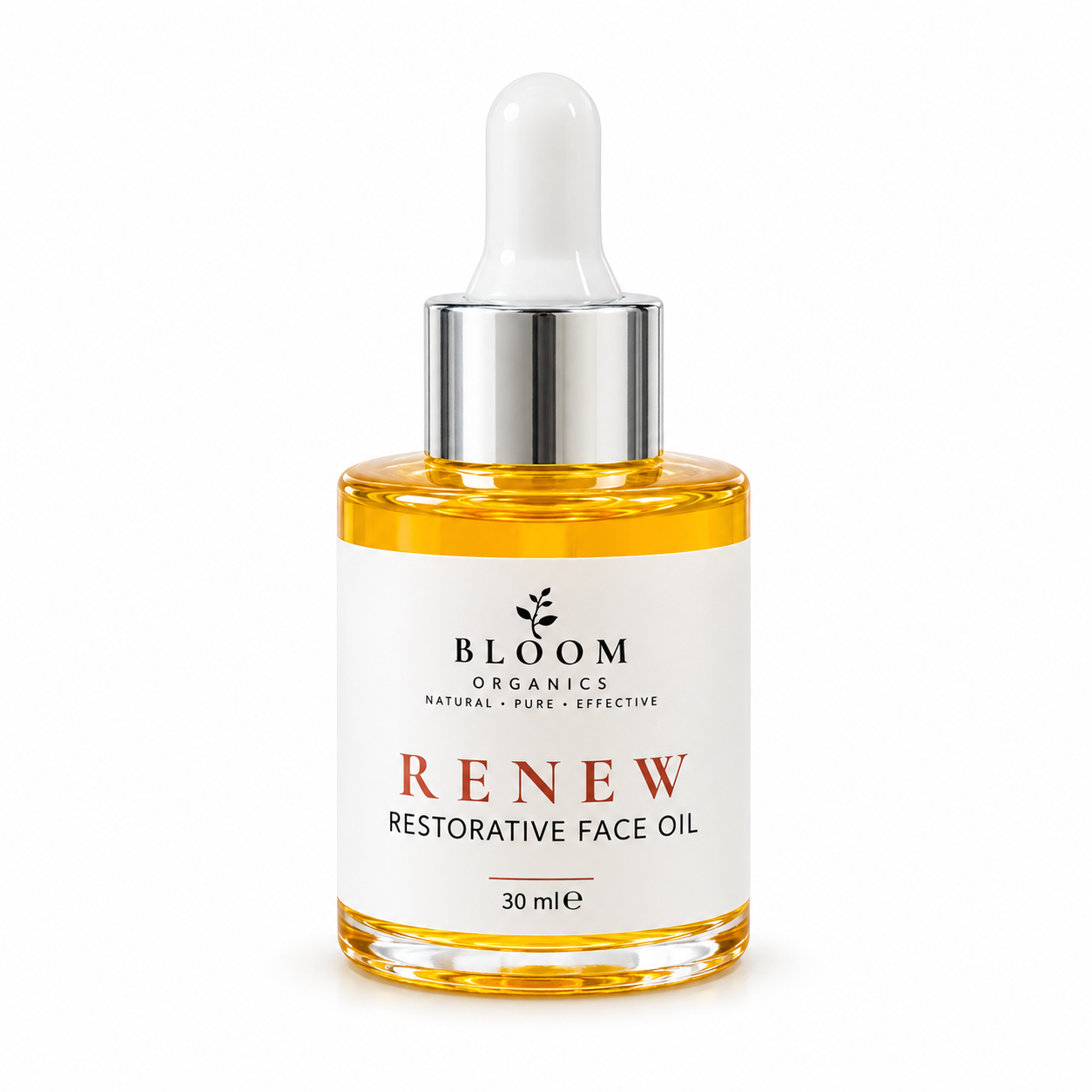
When choosing a facial oil, lightweight formulas without added fragrance are a sensible starting point. Jojoba is often described as a lightweight option, and grapeseed is commonly chosen for oily skin. Essential oils such as tea tree are different from carrier oils and should be diluted before use. The National University of Natural Medicine's guidance on essential oils notes these extracts are highly concentrated and should never be applied neat. If you want a ready-made option, our Renew face oil blends squalane with botanical oils, with no added fragrance or essential oils.
| Oil | Comedogenic Rating | Best For | Watch Out For |
|---|---|---|---|
| Jojoba | Low | Most skin types | Rare sensitivity |
| Grapeseed | Low | Oily skin | Can feel dry alone |
| Coconut | High | Body use only | Clogs pores on the face |
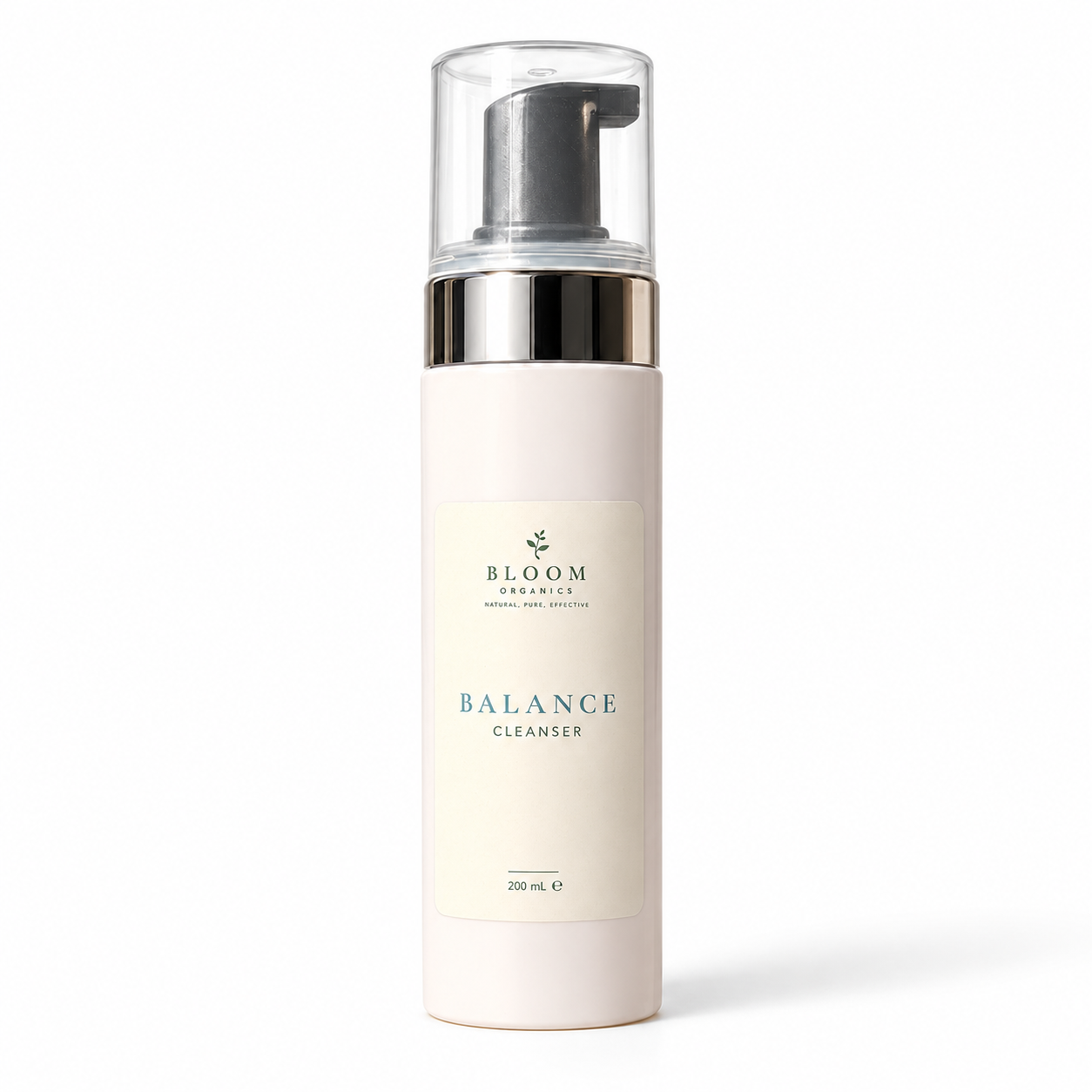
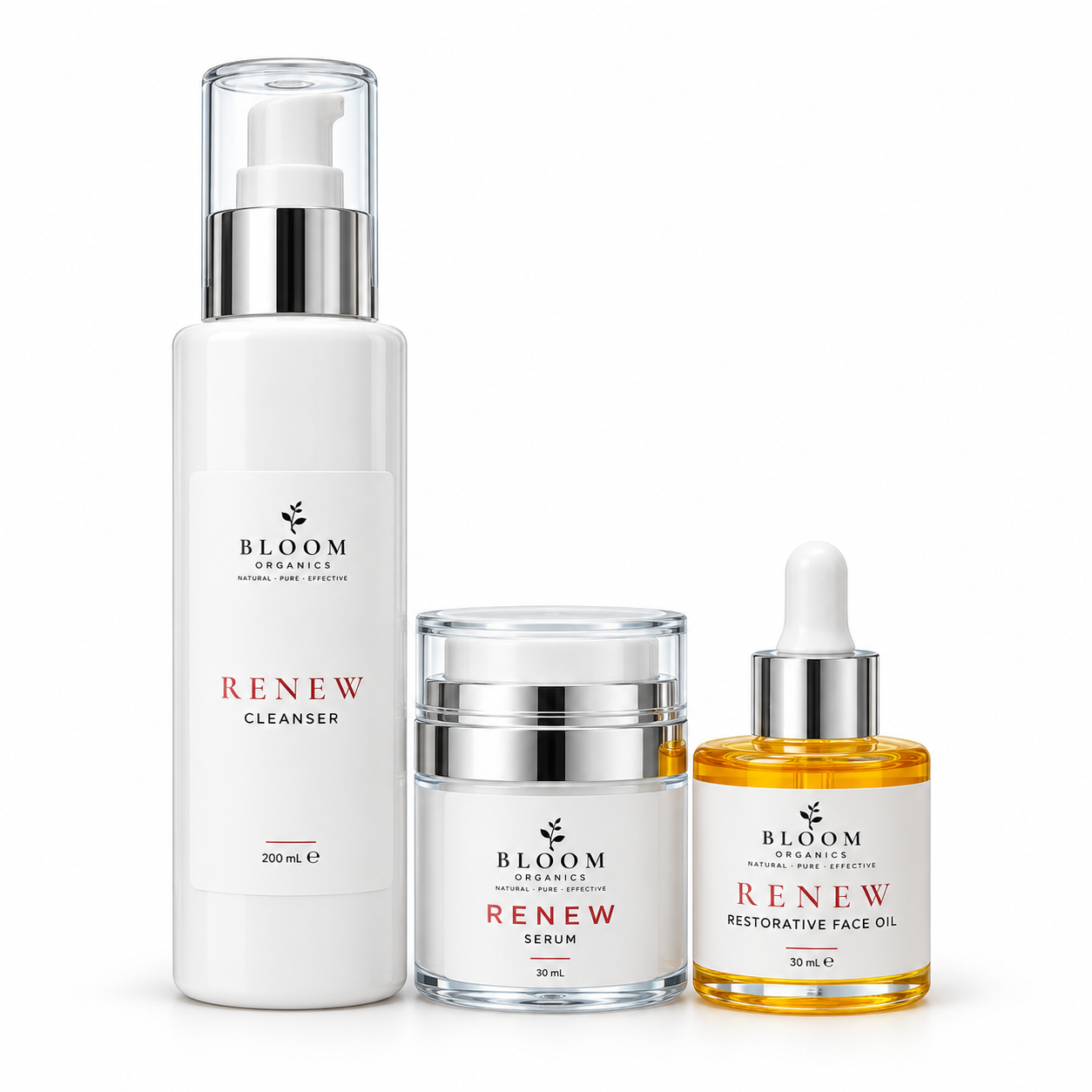
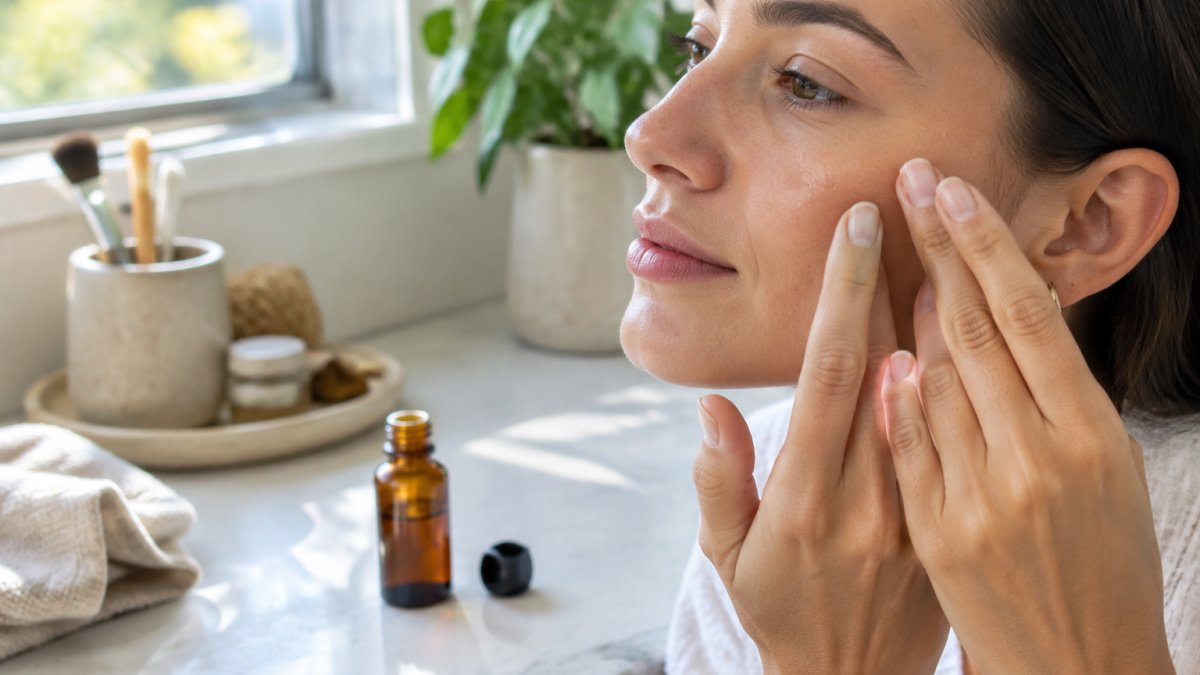
Use facial oil sparingly, starting with a few drops at night. Patch testing before full-face use is a sensible precaution. Cleanse gently with a foaming wash such as our Balance cleanser, then press a few drops of oil over your face. Stop use and check with a doctor if irritation occurs. Our Renew trio includes a cleansing milk, radiance serum and face oil.
Sorting the useful oils from the ones that clog your pores takes patience, and most routines fail because people add too much too fast. Bloom Organics makes fragrance-free botanical skincare in small batches, with lightweight formulas like our squalane and jojoba face oil, gentle glucoside cleansers, and a ceramide-supporting moisturiser for oily and combination skin. Get started with Bloom Organics and build a calm, simple routine your skin can actually tolerate.
Yes, some botanical oils can suit acne-prone skin, but not all. Always patch test first and introduce one oil at a time to see how your skin responds.
If you have acne-prone skin, apply only a few drops of facial oil. If you notice new blackheads or bumps, stop using the oil and return to a simple routine.
Apply a small amount of the oil to a discreet area of skin and check for redness, itching or swelling before using it more widely. Patch testing facial oil before full use is a sensible precaution.


