Your cart is empty
Tax included and shipping calculated at checkout
Drawer menu
Tax included and shipping calculated at checkout

Last Updated: November 21, 2026
Quick Summary
Natural skincare without parabens or phthalates means choosing formulas that leave out these synthetic preservatives and fragrance fixatives, then checking the full INCI list rather than trusting front-of-pack claims. Scan for the -paraben suffix and treat 'Parfum' as a possible hiding place for phthalates, and remember that a 'free from' list only proves what is absent, not what replaced it.
Parabens and phthalates are synthetic chemicals that frequently appear in clean beauty discussions because they serve functional roles in conventional cosmetics: one acts as a preservative, while the other often functions as a fragrance fixative or plasticiser. Bloom Organics frequently receives enquiries regarding these substances from consumers navigating complex ingredient labels. This guide clarifies their roles, how to identify them, and how to construct a natural skincare routine suitable for reactive skin.
Parabens are synthetic preservatives, such as methylparaben and propylparaben, used to inhibit the growth of mould and bacteria in water-based products. Phthalates are chemicals used to improve the performance of synthetic fragrances or to increase the flexibility of packaging. Understanding these components allows for more informed purchasing decisions.
Reading a skincare label involves scanning the International Nomenclature of Cosmetic Ingredients (INCI) list. These standardised names are required on cosmetic packaging in Australia. Ingredients are listed in descending order of concentration until they drop below one per cent. Components listed after this threshold can appear in any order, which is why a featured botanical extract may be listed near the end of the label.
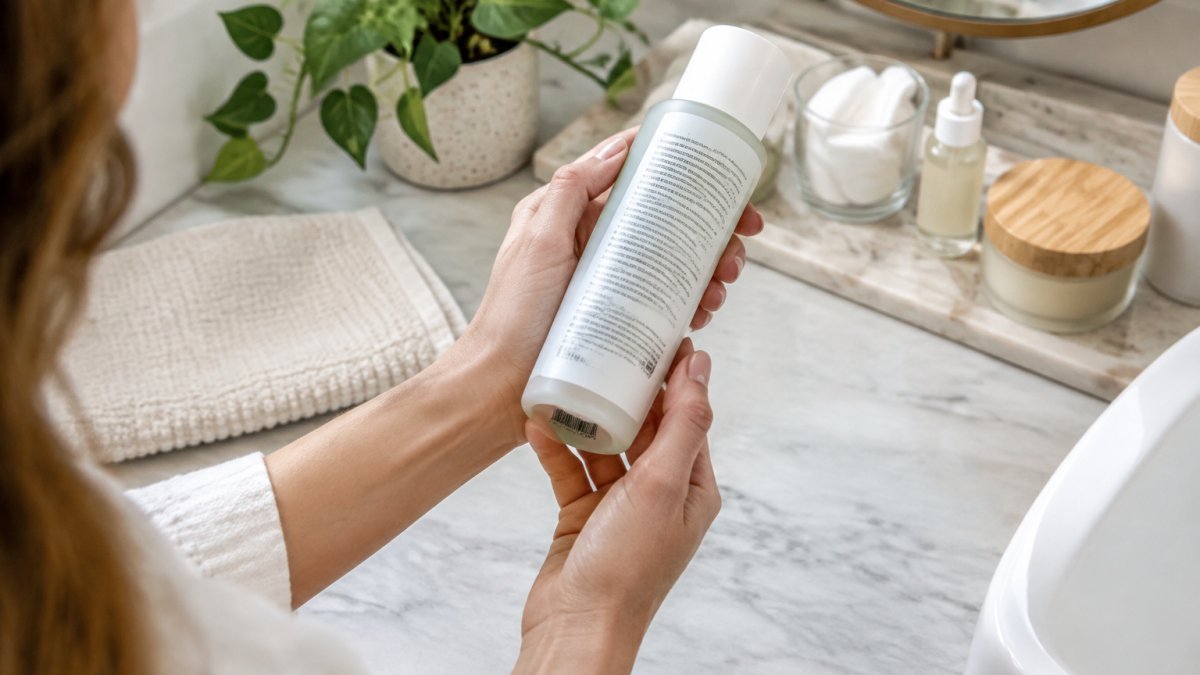
Follow this method to evaluate any product:
A "Made Without" list confirms the absence of specific ingredients but does not disclose the replacements used. For instance, a paraben-free formula might utilise alternative preservative systems, and phthalate-free fragrances may still contain synthetic compounds that trigger sensitivities. These lists should be viewed as a starting point rather than a comprehensive safety certification.
Beyond parabens and phthalates, ingredients often scrutinised include sulphates (SLS and SLES), PEG compounds, synthetic dyes, and synthetic fragrances. Sulphates are surfactants that create lather but may strip the skin's moisture barrier. PEGs function as emulsifiers and solubilisers. While these are not inherently dangerous, they are common sources of irritation for reactive skin types.
According to research on cosmetic chemical safety, cumulative exposure to certain synthetic compounds in personal care products may warrant caution regarding developmental and reproductive health. Regulatory bodies in Australia, such as the Australian Competition and Consumer Commission, oversee product safety standards, though the specific debate regarding paraben oestrogenicity remains a subject of ongoing scientific discussion. While some studies suggest parabens have significantly lower oestrogenic activity than the body's natural hormones, many brands choose to formulate without them to cater to consumer preference.
Evidence regarding these ingredients is nuanced. A "free from" claim is not a safety guarantee; for example, a paraben-free product may use phenoxyethanol or potassium sorbate, which can also cause reactions in sensitive individuals. For those with reactive skin, the primary benefit of avoiding parabens and phthalates is the reduction of variables, making it easier to identify the cause of a skin flare-up.
Water-based formulas are susceptible to microbial growth, including bacteria, mould, and yeast. A product without a preservative system poses a significant contamination risk. Anhydrous products, such as body oils, are often the only formulations that can remain truly preservative-free due to their lack of water.
Bloom Organics offers a Botanical Body Oil range that is preservative-free and scented with essential oils. Each 100ml Botanical Body Oil is $45.00, formulated with jojoba, sweet almond, fractionated coconut, and Abyssinian oils. When evaluating other products, always check the Period After Opening (PAO) symbol—the small jar icon indicating the product's shelf life once opened—and prefer airless pump packaging over wide-mouth jars to minimise contamination.
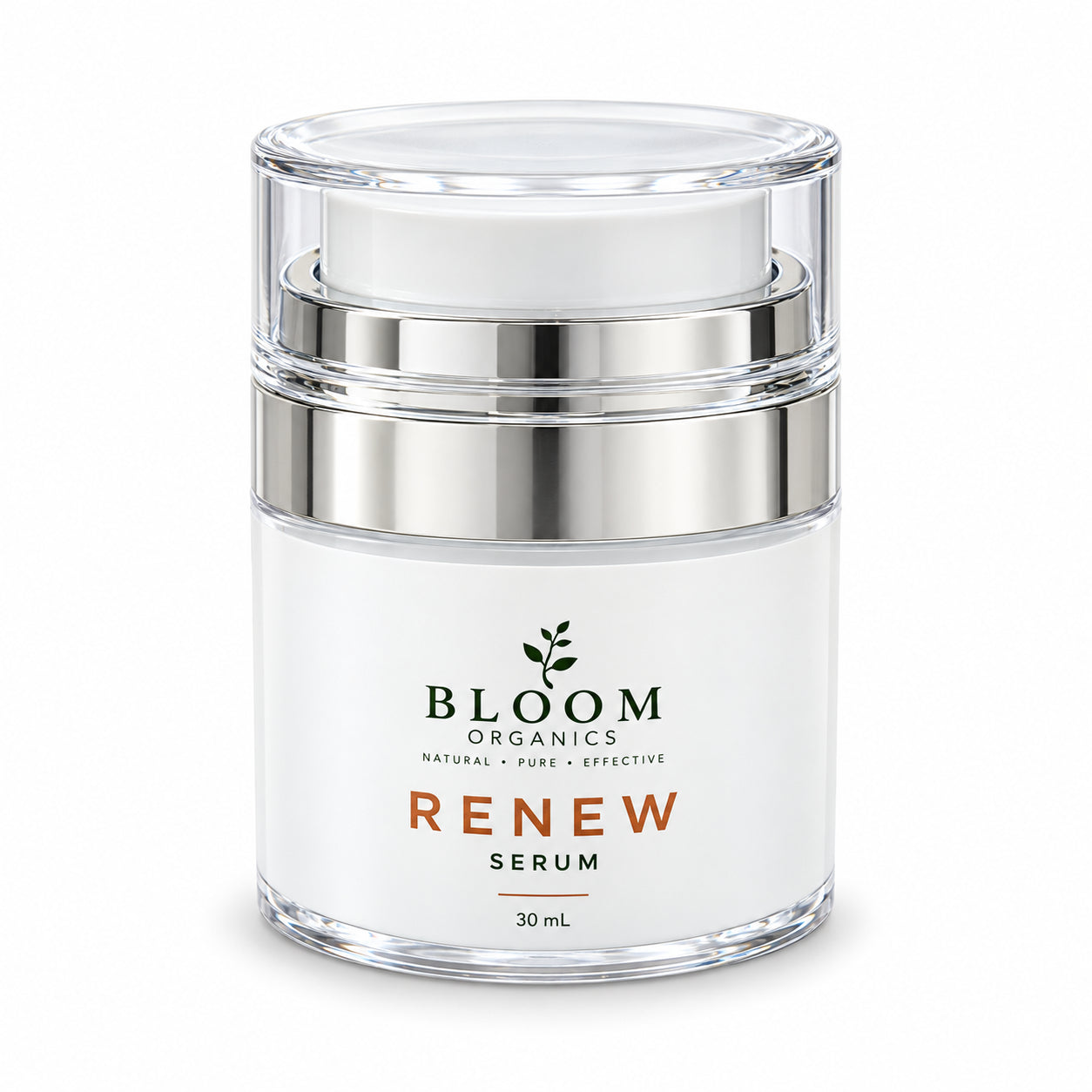
Effective skincare relies on ingredients with proven functions. Niacinamide supports the skin barrier, while hyaluronic acid and glycerin are effective humectants. Panthenol and squalane provide soothing properties, and alpha arbutin is often used for brightening. Our Renew Serum incorporates these ingredients, including niacinamide, hyaluronic acid, alpha arbutin, panthenol, snow mushroom, liquorice, and gotu kola. You can view the Renew Radiance Serum 30ml to see a formula designed with these principles.
Fragrance is a common trigger for sensitive skin. The term "Parfum" or "Fragrance" on an ingredient list acts as an umbrella term for numerous compounds, including potential phthalates. In Australia, cosmetic labelling requirements often necessitate the disclosure of specific fragrance allergens if they exceed certain concentrations. Common allergens include linalool, limonene, citronellol, geraniol, and eugenol—all of which can occur naturally in essential oils.
Follow this patch-test protocol to identify sensitivities:
| Skin Type | Morning | Evening | Watch For |
|---|---|---|---|
| Dry or dehydrated | Rinse, moisturiser, SPF | Cleanser, richer moisturiser or facial oil | Alcohol-heavy toners |
| Oily or combination | Gentle cleanser, light moisturiser, SPF | Cleanser, moisturiser | Over-cleansing, stripping sulphates |
| Sensitive or reactive | Rinse, fragrance-free moisturiser, SPF | Fragrance-free cleanser, barrier cream | Essential oils, strong acids |
| Mature | Antioxidant serum, moisturiser, SPF | Cleanser, serum, moisturiser | Skipping barrier support |
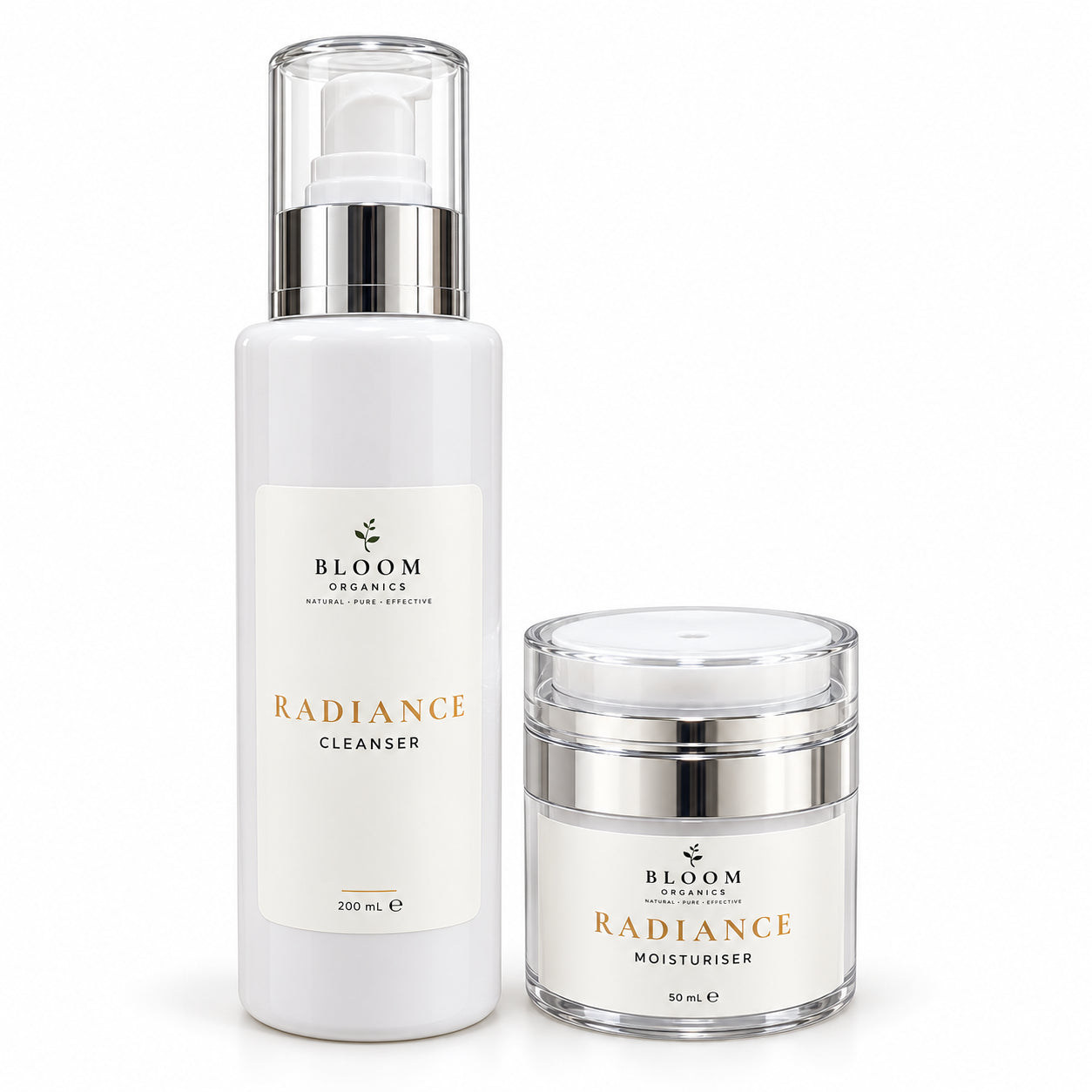
Before purchasing, verify the INCI list, the presence of essential oils, the preservative system, the PAO, and the packaging design. Bloom Organics formulates in small batches in Airlie Beach, Australia. The Radiance Duo Cleanser and Moisturiser provides a straightforward, paraben-free starting point for a daily routine.
According to industry trends from Statista, consumer demand for transparent ingredient labelling continues to grow. By focusing on essential, well-researched ingredients, you can simplify your routine and reduce the likelihood of skin irritation.
Parabens are preservatives such as methylparaben and propylparaben that stop bacteria and mould growing in water-based products. Phthalates are a separate family of chemicals used in plastics and sometimes in synthetic fragrance, where they help a scent linger. In natural skincare, the aim is usually to avoid both: parabens because some shoppers prefer preservative systems they can trace, and phthalates because they are rarely listed by name and can sit behind the word Parfum or Fragrance on an ingredient list.
Turn the bottle over and read the INCI list, not the front label. Parabens appear as methylparaben, propylparaben, ethylparaben or butylparaben. Phthalates are harder to spot because they are often folded into a fragrance blend, so a product marked fragrance-free is the safer starting point. A Made Without list helps, but check that the full ingredient list backs it up. If a brand cannot tell you what its fragrance contains, treat the claim as unverified.
No. Natural and botanical are marketing terms, not regulated formulations, and a plant-forward product can still contain synthetic preservatives or a fragrance blend with phthalates. Equally, a well-made conventional product may be paraben-free without saying so. The label is the only reliable guide. Look for a full INCI list, a clear fragrance disclosure and a preservative system you can identify, rather than assuming the word natural does the work for you.
Phthalates are rarely named directly. They most often sit inside a fragrance blend, so watch for Parfum, Fragrance, and the individual fragrance allergens that must be declared, such as Limonene, Linalool, Citronellol and Geraniol. Diethyl phthalate, or DEP, is the one most likely to be listed by name. If a product declares a scent but gives no breakdown, ask the brand what is in it before you buy.
The counterpoint worth knowing is that some shoppers avoid them as a precaution rather than because a ban exists. If you choose paraben-free, understand what replaces them: a water-based formula still needs preservation, and an unpreserved cream is a contamination risk, not a cleaner product.
Start with fragrance-free rather than lightly scented, since essential oils and fragrance allergens are common triggers. Look for barrier-supporting ingredients such as glycerin, panthenol, squalane and ceramides, and keep the routine short so you can tell what is helping. Introduce one new product at a time and patch test first. Patch testing any new botanical oil on the inner arm before using it on the face or on reactive skin is a sensible precaution.
Swap one product at a time, starting with whatever sits on your skin longest, such as a serum or moisturiser. Read the full ingredient list on each replacement before it goes in your basket, and keep a note of what changed so you can trace any reaction. Give each swap a couple of weeks. A calmer, simpler routine with fewer actives is usually easier on sensitive skin than a full overhaul in one weekend.


